

Key Takeaways
- Falls in senior adults often result from medical conditions, physical changes, and home hazards.
- After a fall, schedule medical reviews, improve home safety, and encourage gentle physical activity.
- Approach conversations about fall prevention with empathy and focus on maintaining independence.
- Professional support, like assisted livin,g can provide 24/7 safety monitoring when home modifications aren’t enough.
Why Your Parent Keeps Falling
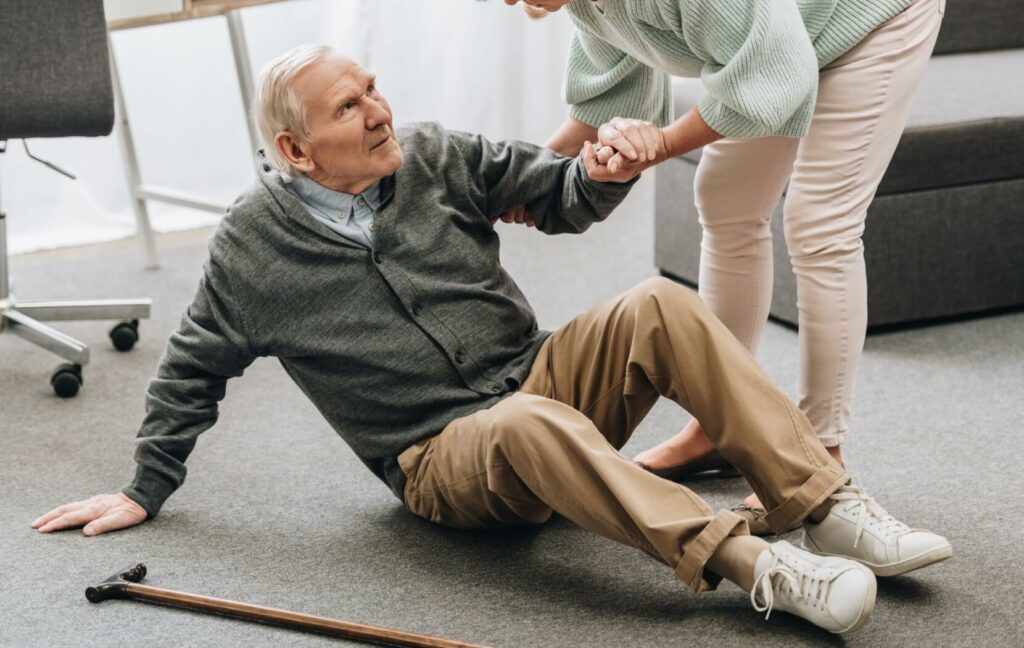
When your parent experiences repeated falls, your heart likely races with worry every time the phone rings. You’re not alone in this concern—Cedar Hills Senior Living understands how dangerous falls can be for seniors, with one in four adults over 65 falling each year. Many families face this challenging situation when considering assisted living options.
Falls happen more frequently in senior adults due to a combination of medical conditions, age-related physical changes, environmental hazards, and the psychological impact of previous falls. By learning about these factors, you can take meaningful steps to help protect your loved one while maintaining their dignity and independence.
Common Reasons Behind Repeated Falls
Medical conditions play a significant role in fall risk. Balance disorders like vertigo can make your parent feel unsteady on their feet, while chronic conditions such as Parkinson’s disease and arthritis affect movement and coordination. Vision problems from cataracts or glaucoma can make it difficult to see obstacles, and certain medications can cause dizziness or drowsiness.
Age brings natural physical changes that increase fall risk. Your parent may experience reduced muscle mass and strength, making it harder to catch themselves if they start to stumble. Slower reflexes mean less time to react to hazards, while decreased flexibility can affect their ability to move safely through their environment.
Home safety hazards create unexpected dangers. Loose rugs, cluttered walkways, and poor lighting in hallways can turn familiar spaces into obstacle courses. Even small changes like uneven flooring or a moved piece of furniture can pose risks when your parent’s vision or mobility is compromised.
Taking Action After Your Parent Falls
Schedule a complete medical review with your parent’s healthcare provider. This evaluation can identify underlying health concerns contributing to falls and review all medications for side effects that might affect balance. The doctor may also recommend mobility aids, such as properly fitted canes or walkers, to provide additional stability.
Focus on making strategic home safety improvements. Add brighter lighting throughout the house, particularly in hallways, stairways, and bathrooms. Remove tripping hazards like loose rugs and clear cluttered walkways. Install grab bars in bathrooms and place non-slip mats in areas that get wet.
Encourage gentle physical activity to rebuild strength and confidence. Balance-focused activities like Tai Chi can improve stability, while gentle strength training helps maintain muscle mass. Even simple activities like regular walking can make a meaningful difference in your parent’s overall mobility and fall risk.
Having Caring Conversations About Safety
Start conversations about fall prevention with gentle questions about how your parent feels when walking or moving around their home. Create a judgment-free environment where they feel comfortable sharing their concerns. Focus discussions on safety measures that support their independence rather than highlighting limitations.
Address your parent’s natural concerns about losing independence. Reassure them that safety measures like grab bars or medical alert systems actually help maintain their freedom by allowing them to move more confidently. Involve them in decision-making so they feel empowered rather than controlled.
Professional Support and Technology Options

Consider helpful devices that enhance safety without feeling restrictive. Fall detection systems can provide peace of mind for both you and your parent, automatically alerting emergency services if needed. Properly fitted mobility aids and home monitoring systems can also provide additional layers of protection.
Professional services can address specific needs that home modifications can’t solve. Physical therapy focuses on improving balance and mobility, while occupational therapy helps identify and address home safety concerns. Companion care services can provide daily support for activities that have become challenging or risky.
When to Consider Assisted Living for Enhanced Safety
Some situations signal that additional support may be needed. If falls continue despite safety measures, your parent feels unsafe at home, or daily activities have become too challenging, it might be time to explore assisted living options. This doesn’t represent failure—it represents proactive care planning.
Assisted living communities like Cedar Hills Senior Living offer comprehensive fall prevention through professional staff available around the clock, safe and accessible living environments, medication management services, and regular wellness monitoring. These communities provide personalized care plans that address each resident’s specific needs while maintaining their dignity and independence.
When considering senior care communities, look for specialized staff training in fall prevention, on-site medical care, engaging wellness activities, and a warm, supportive environment. The right community becomes a true home where your parent can thrive safely.
Moving Forward with Love and Care
Supporting your parent through changes in their mobility and safety needs requires patience, empathy, and a focus on their comfort and dignity. Take gradual steps toward safer living arrangements and involve your parent in decisions that affect their daily life.
Creating a plan that works for your family starts with assessing your parent’s specific needs and exploring all available options together. Cedar Hills Senior Living welcomes you to visit and see how their compassionate approach to senior care can provide the safety and support your family needs while honoring your loved one’s independence and quality of life.